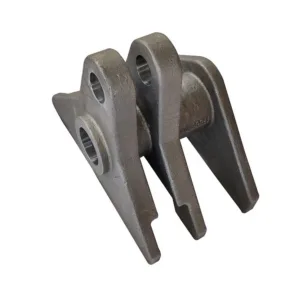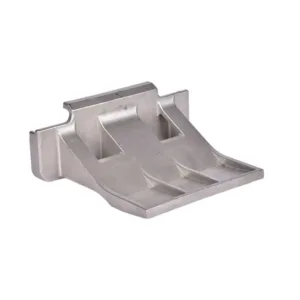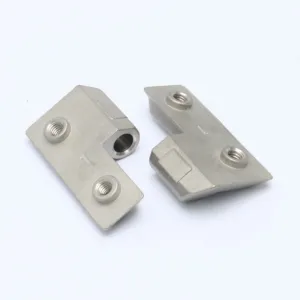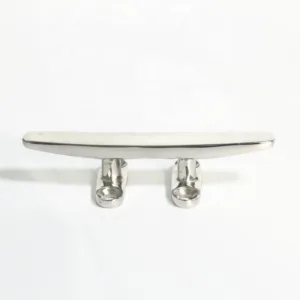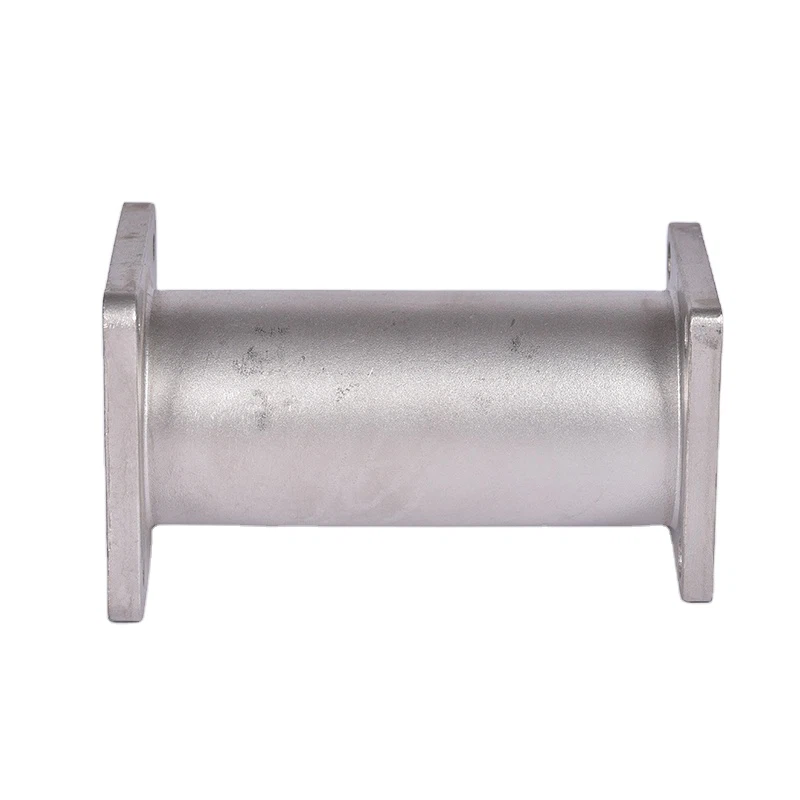
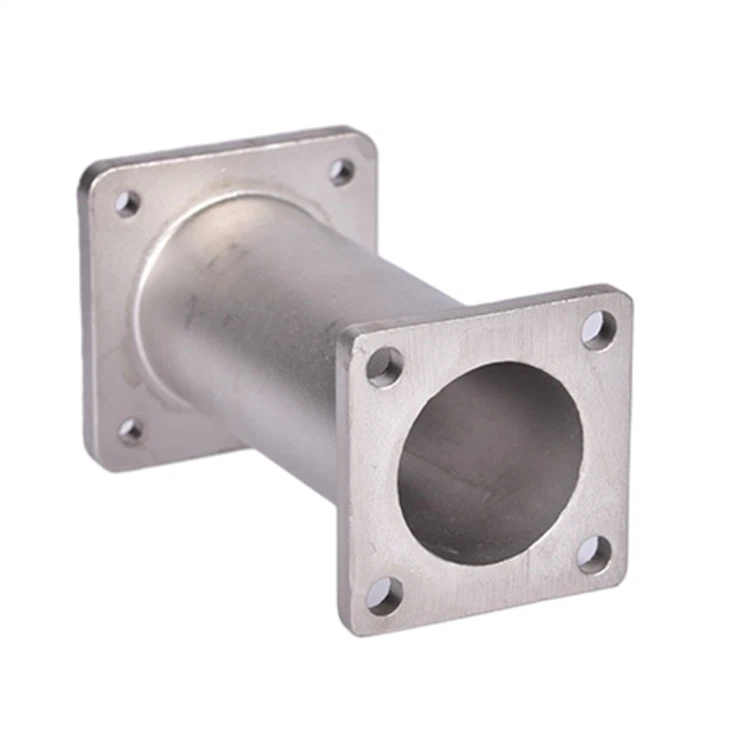
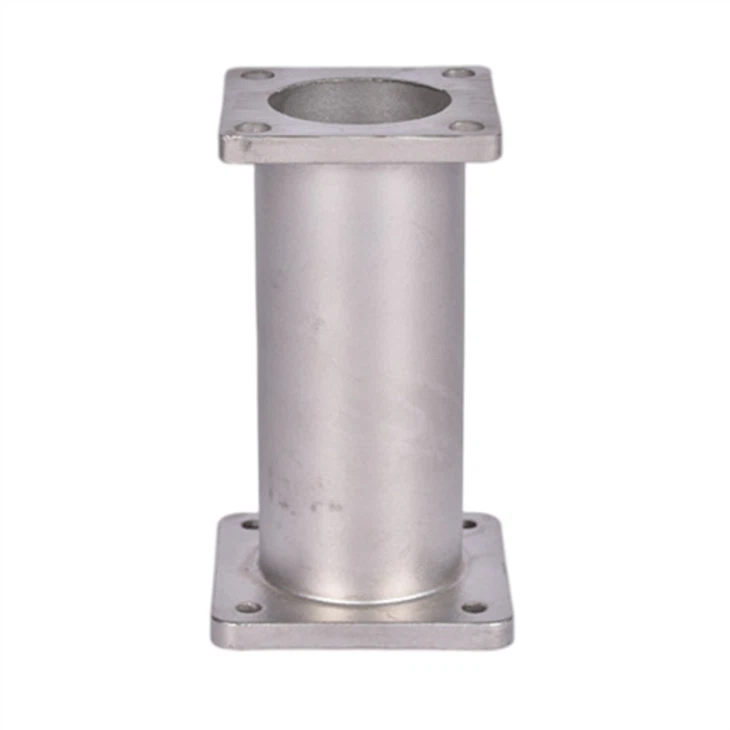
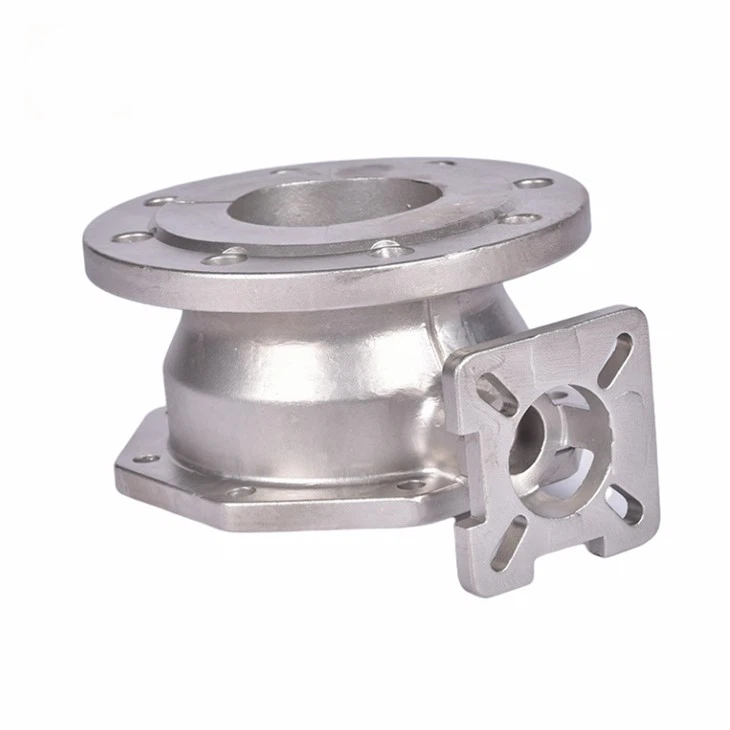

What is Joining Flange?
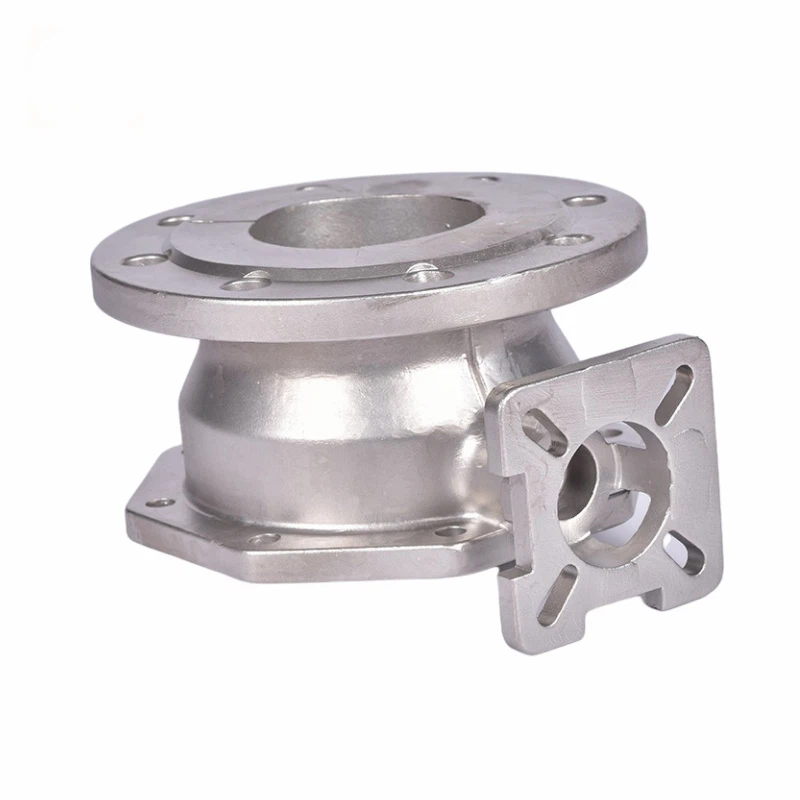
A flange is a connecting element commonly used to join pipes or pipe components together or to secure equipment to a surface. Flanges can typically be round or square and are used in various industrial applications.
A flange has two main components: a flange face and flange connection holes. The flange face is mounted onto the surface of the pipe or equipment to be connected. This surface usually has a flat or slightly raised gasket.
Flange connection holes, along with other flanges or connecting elements, are used to connect flanges or to another surface. These holes are typically arranged in a circular pattern and are tightened with bolts or nuts.
Flanges are commonly used in pipe systems to provide pressure or fluid sealing. They are also used in the assembly of industrial equipment to securely fasten the equipment in place.
Flanges are usually manufactured by standards such as ANSI (American National Standards Institute). The standards define the dimensions, shapes, and locations of the connection holes for flanges.
In conclusion, flanges are important connecting elements used for joining and sealing pipe systems or industrial equipment.

01 Part name
Joining Flange

02 Application
Industries components

03 Material
Alloy steel

04 Process
Investment casting
& Machining

05 Casting method
Thermal Gravity Casting

06 Surface finished
Shot blasting
Part Application

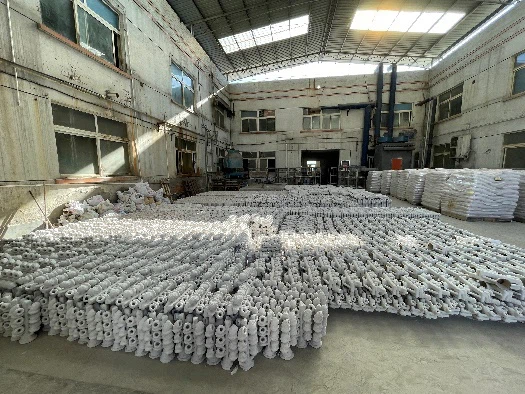
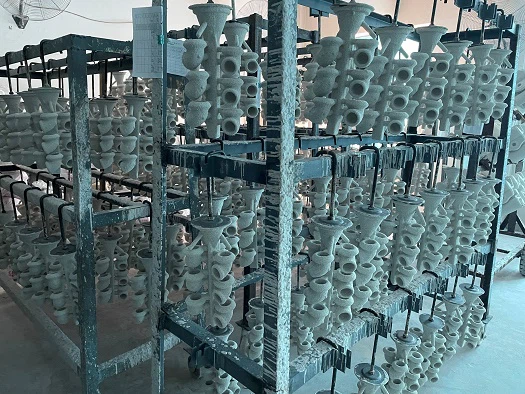
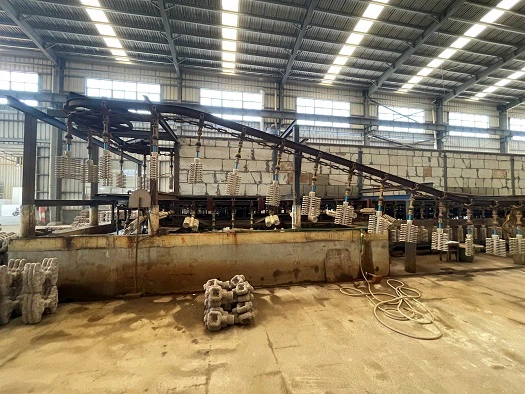
Investment casting, also known as lost-wax casting, is a manufacturing process used to create metal parts with complex shapes and intricate details
Available Material
|
1-Carbon steel |
2-Low alloy steel |
3-Corrosion-resistant steel |
4-Heat-resistant steel |
||||
|
General engineering cast steel (ISO 3755) |
Carbon and low alloy cast steels for general applications (ISO 14737) |
Corrosion-resistant cast steels for general applications (ISO 11972) |
Heat-resistant cast steels and alloys for general applications (ISO 11973) |
||||
|
200-400 |
400-550MPa |
GE200 |
1.0420 |
GX12Cr12 |
1.4011 |
GX30CrSi7 |
1.4710 |
|
200-400W |
400-550MPa |
GE240 |
1.0446 |
GX2CrNi19-11 |
1.4309 |
GX40CrSi13 |
1.4720 |
|
230-450 |
450-600MPa |
GS340 |
1.0467 |
GX5CrNi19-10 |
1.4308 |
GX40CrSi17 |
1.4740 |
|
230-450W |
450-600MPa |
G20Mo5 |
1.5419 |
GX5CrNiMoNb19-11-2 |
1.4581 |
GX40CrSi24 |
1.4745 |
|
270-480 |
480-650MPa |
G42CrMo4 |
1.7231 |
GX5CrNiMoN19-11-3 |
1.4412 |
GX25CrNiSi18-9 |
1.4825 |
|
270-480W |
480-650MPa |
G28Mn6 |
1.1165 |
GX2NiCrMoCuN25-20-6 |
1.4588 |
GX40CrNiSi25-12 |
1.4837 |
|
340-550 |
550-720MPa |
G26CrMo4 |
1.7221 |
GX5CrNiMoCuN 26-6-3 |
1.4515 |
GX40CrNiSi25-20 |
1.4848 |
Production Process Introduce



RFQ handle process

You can find our contact info for further communication in “Contact US” column.

The 2&3D drawing format can be PDF, STEP, DWG, DXF and soon, can be sent via email. Wechat, WhatsApp, link.

After clear the demand of customer, we can send you the quotation with PDF format for documentation.


For requirements for confidentiality of drawings, we can signed the NDA before you send drawing.

The feasibility study of drawing is most key point to ensure the part can be fully meet drawing specifications, which is include material, dimension, surface treatment, and testing request.
Hot Tags: investment casting ss304, China investment casting ss304 manufacturers, suppliers, factory, Carbon Steel Investment Casting, Investment Casting Cross Tee, Stainless Steel Connector Elbow Joint, Stainless Steel Precision Casting, Mirror Polishing Meat Grinder Body, Precision Casting Fuel Rail Mounting Bracket